AI Product Images for Small Fashion Brands


For a small fashion brand, AI Product Images for Small Fashion Brands can provide a practical way to create the visual content needed for a new collection without relying entirely on costly photoshoots. The products are ready, but the website needs fresh images, social media needs new content, marketplaces need catalog photos, advertisements need creative variations, and influencers and customers need visuals to share.
Producing all of these assets through a traditional fashion photoshoot can become expensive very quickly. There may be studio rental costs, photographer fees, models, makeup, styling, lighting, assistants, travel, equipment, editing, sample coordination, and post-production. Even after the shoot is completed, the brand may discover that it still needs additional images for another product color, pose, campaign, or marketplace requirement.
For large fashion companies, this production model may be manageable. For a small fashion brand, however, it can become a significant bottleneck that slows down launches and limits how much visual content the business can create.
This is where AI can change the economics of fashion content production.
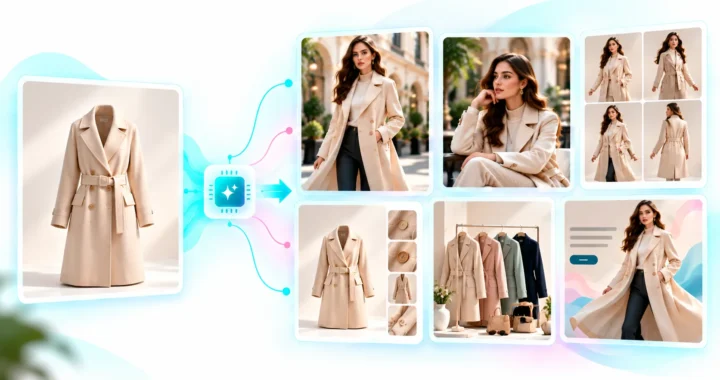
Instead of treating every product launch as a completely new photoshoot, brands can use their existing apparel references to create additional product visuals through AI. These visuals can support ecommerce listings, social media campaigns, advertisements, marketplaces, and other marketing activities.
The goal is not simply to eliminate photography. The goal is to make every product reference more valuable by turning it into a wider range of useful, consistent, and campaign-ready visual assets.
Why Traditional Fashion Photoshoots Become Expensive for Small Brands
Traditional photography still has an important role in fashion. Physical products need to be designed, manufactured, inspected, and photographed accurately. The challenge, however, is the repeated cost of producing new visual variations as collections expand and marketing requirements increase.
Imagine a small fashion brand launching 30 new clothing designs. If each product requires several model poses, different backgrounds, front and back views, lifestyle images, social media creatives, and promotional content, the number of required images can become very large. A single photoshoot may produce valuable assets, but it can also create operational limitations for a small team.
The brand has to coordinate people and physical resources around a fixed production date, which makes the process less flexible. If one product is delayed, the entire schedule can be affected. If a new color is introduced later, another photoshoot may be required. Similarly, if the brand wants to explore a different visual direction for a campaign, the production process may need to start again.
For smaller brands, this creates three major problems. Production costs increase because every additional photoshoot requires more spending on models, locations, equipment, styling, photography, and post-production. Content production becomes slower because the brand cannot always create new visuals as quickly as marketing opportunities appear. Creative experimentation becomes expensive because testing different backgrounds, poses, campaign styles, or visual concepts becomes harder when every variation requires physical production.
AI product imagery provides another way to approach this problem. Instead of depending entirely on new photoshoots for every visual variation, fashion brands can use existing product references to create additional content more efficiently and explore different creative directions without repeating the entire production process.
The Shift from One Photoshoot to a Visual Production System
The biggest change is conceptual. A traditional photoshoot treats photography as a production event that needs to be planned, scheduled, and repeated whenever a brand requires new visual content. AI changes this model toward continuous visual production, where brands can create different visual assets from existing product references whenever they need them.
Instead of saying, “We need to organize a photoshoot for this collection,” a small fashion brand can begin with a different question: “We have the product references. What visual assets do we need?” That difference is important because it shifts the focus from planning another photoshoot to maximizing the value of the product assets the brand already has.
A single garment image can become the starting point for multiple visual outputs, including model images, different poses, studio photography, lifestyle visuals, ecommerce pack shots, color variants, social media content, campaign creatives, and marketplace images. This gives brands more flexibility to create the specific assets required for different channels, campaigns, and customer touchpoints.
The result is not simply one replacement image. It is a more flexible visual production system that allows small fashion brands to expand their content without repeating the entire traditional photography process for every new requirement.
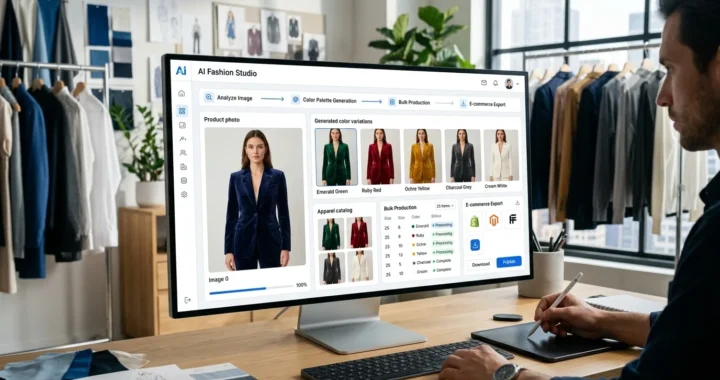
LovPics AI Fashion Studio supports apparel uploads, model selection, multiple poses, backgrounds, lighting controls, styling instructions, ecommerce pack shots, multiple outputs, different aspect ratios, templates, upscaling, color variants, and single or bulk downloads. These capabilities allow fashion brands to turn existing apparel references into a wider range of professional visual assets for ecommerce and marketing.
What AI Product Images Can Create for a Fashion Brand
AI product imagery becomes especially useful when a brand needs several visual versions of the same product.
Model-Based Fashion Images
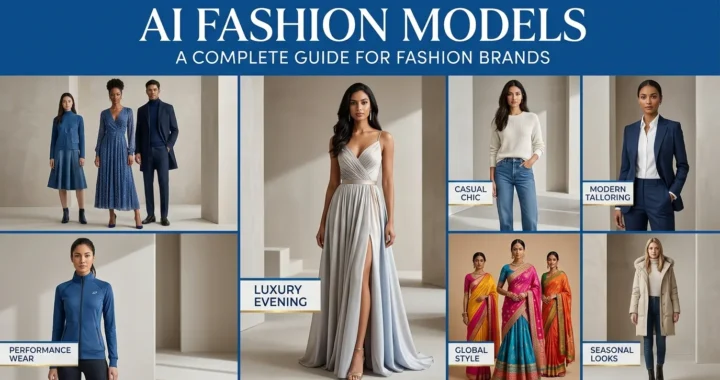
A small fashion brand may have excellent garment photography but limited access to professional models. AI can help transform apparel references into model-based product visuals. Brands can select or create suitable models and generate fashion imagery around the clothing. This can make it easier to create consistent model visuals across a collection.
Multiple Poses
One of the limitations of a single photoshoot is the number of poses that can realistically be captured within the available production time. AI allows brands to explore additional poses from the same product reference. A kurta, dress, saree, shirt, jacket, or other apparel item can be presented through different compositions depending on the intended use.
For example, a product page may need a straightforward catalog pose, while Instagram may benefit from a more editorial composition.
Different Backgrounds
A fashion brand does not always want every product photographed against exactly the same background. Different collections may require different visual environments.
- A minimalist studio background may work for a premium catalog.
- A lifestyle environment may work better for social media.
- A seasonal setting may support a campaign.
AI allows brands to explore these visual directions without rebuilding an entire physical set.
Color Variants
Fashion brands frequently sell the same design in multiple colors, and traditionally, each variant may need to be photographed separately, which can increase production time and costs. AI workflows can help create additional color presentations when appropriate, reducing the need to organize a complete physical photoshoot for every variation. However, brands should always verify generated colors against the actual product because accurate color representation is important for maintaining customer trust and reducing confusion in ecommerce.
Ecommerce Pack Shots
Small fashion brands often need a consistent group of images rather than a single attractive photograph, especially when product pages require multiple angles and detailed catalog views. AI Fashion Studio can support e-commerce pack shots and multi-angle catalog sets, helping brands build a more complete and consistent product presentation from their existing apparel references.
How to Build an AI Product Image Workflow
Replacing a costly photoshoot does not mean generating images randomly. A successful workflow still needs planning.
Start with the Actual Product
The first priority should always be the real garment, so brands should use clear and accurate product references that represent the fabric, shape, color, design, print, and important details correctly, ensuring that AI enhances the presentation of the product rather than inventing something completely different.
Define the Required Image Set
Before generating anything, decide what the product actually needs.
For example:
- Main ecommerce image
- Front view
- Back view
- Side or additional pose
- Model image
- Lifestyle image
- Social media image
- Campaign image
- Color variation
- Promotional creative
This prevents unnecessary generation.
Create a Consistent Visual Direction
A fashion catalog becomes stronger when the images feel like they belong to the same brand.
Define elements such as:
- Model style
- Background style
- Lighting
- Camera perspective
- Image ratio
- Color treatment
- Styling
- Composition
Once a visual direction works, it can be reused. LovPics supports saving settings as templates, which can help brands maintain repeatable production patterns across future content.
Generate Multiple Outputs
Small brands should avoid relying on a single generated image and instead create several meaningful variations across pose, composition, setting, and marketing purpose, then select the strongest visuals rather than generating hundreds of nearly identical images.
Review Product Accuracy
This is one of the most important steps. AI-generated fashion imagery should always be compared with the actual product.
Check:
- Fabric appearance
- Garment structure
- Pattern
- Color
- Neckline
- Sleeves
- Buttons
- Prints
- Embroidery
- Logos
- Proportions
- Product details
A beautiful image is not useful if it misrepresents what the customer will receive.
How Small Fashion Brands Can Scale Without Increasing Production Complexity
The real advantage of AI product images becomes visible when a brand moves beyond one collection.
Build a Reusable Product Image System
Instead of creating every campaign from scratch, establish a repeatable workflow.
For example: Product Reference → Model Selection → Pose → Background → Lighting → Generation → Review → Export
Once the process is standardized, new products can move through the same system. This reduces the amount of repeated decision-making.
Start with High-Value Products
A small fashion brand does not need to convert its entire catalog immediately. Start with products that matter most.
These could include:
- Best sellers
- New launches
- High-margin products
- Products with strong traffic
- Seasonal collections
- Products with multiple colors
- Products needing better ecommerce presentation
The brand can measure results before expanding the workflow.
Create More Content from Each Product
A single garment should not produce only one product image. It can become a complete visual package.
For example:
One Dress
- Catalog Image
- Model Image
- Multiple Poses
- Lifestyle Image
- Social Creative
- Product Banner
- Promotional Poster
- Short Video Reference
This increases the marketing value of every product.
Use Bulk Production Where Possible
Small fashion brands often struggle because content production happens one product at a time. When a repeatable visual direction has been established, bulk workflows can help reduce manual effort. LovPics supports multiple outputs and bulk downloads within its fashion workflow, which can be useful when creating larger catalog sets.
Related LovPics AI Solutions
- AI Video Gen: Use property images as visual references and create motion-led video segments with custom instructions, multiple clips, different aspect ratios, music, subtitles, logos, and branded outros.
- AI Reels: AI Reels can support short-form social video workflows using concepts, storyboards, scripts, music, branding, and platform-oriented video content.
- AI Stories: For a property that needs a more narrative presentation, AI Stories can turn a narrative or script into scene-based video segments and combine them into a longer story.
- AI Banners: Property campaigns can extend beyond video into banner creatives using reference images, instructions, multiple styles, aspect ratios, and multilingual content.
- AI Posters: Property launches, open-house promotions, and campaign announcements can also be adapted into poster formats where appropriate.
- Multi-Frame 360 Generation: Where the available visual workflow is appropriate, multi-frame generation can help create rotating visual presentations. It should not be presented as a substitute for an accurate physical property tour unless the output has been carefully validated.
The value comes from connecting these capabilities into a workflow rather than using each one independently.
Real-World Applications for Small Fashion Brands

New Collection Launches
A new collection often needs content before the marketing campaign begins. AI product images can help brands prepare catalog visuals, model images, social assets, and promotional content around a new collection. This can shorten the gap between product readiness and marketing readiness.
Instagram Fashion Marketing
Social media requires frequent visual updates. A brand can use different product images to create a steady stream of content rather than repeatedly photographing products. Different poses, backgrounds, and compositions can help prevent the feed from becoming repetitive.
Shopify and Online Store Catalogs
An online fashion store needs consistent product presentation. AI-generated catalog images can help smaller brands create a more complete visual experience across product pages.
The important principle is consistency. The images should look like part of the same brand rather than unrelated AI generations.
Marketplace Listings
Marketplace sellers often need standardized product imagery. AI can help generate additional product views and presentation images from existing references, provided the final visuals accurately represent the product and comply with the marketplace’s requirements.
Seasonal Campaigns
Fashion brands frequently create campaigns around festivals, holidays, seasons, and promotional periods. A physical photoshoot for every campaign can become impractical. AI can help brands explore seasonal visual directions without rebuilding the entire production process each time.
Small-Budget Fashion Startups
This may be one of the strongest use cases. A new fashion brand may have limited marketing capital. Instead of allocating a large percentage of the budget to repeated photography, the brand can use AI to create additional visual assets while reserving traditional photography for situations where physical photography is particularly valuable.
Across the LovPics Ecosystem
AI product images become more powerful when they connect with other forms of visual production.
A small fashion brand can think of the workflow as:
Product → AI Product Image → Fashion Model Visual → Catalog Set → Banner → Poster → Product Reel → Social Campaign
This creates a much broader and more flexible content system from the same underlying product reference, allowing a single product to support multiple visual requirements across ecommerce, social media, advertising, marketplaces, campaigns, and other customer-facing channels without requiring a completely new production process for every asset.
The objective is not simply to generate more images because AI makes image generation faster and easier, but to use that capability strategically to create the right visual assets for each stage of the customer journey, from initial product discovery and consideration to purchase, engagement, and continued brand interaction.
Expand Your Fashion Content Production with LovPics
For a small fashion brand, the biggest opportunity is not simply saving money on one photoshoot.
It is reducing the dependency on repeated production cycles.
Imagine launching a collection with 20 products.
Instead of thinking about 20 individual photoshoots, the brand can establish a visual system and apply it across the collection.
Each product can receive:
Product Reference
- Model Image
- Multiple Poses
- Catalog Images
- Color Variants
- Lifestyle Visuals
- Social Creative
- Marketing Assets
The brand can then repeat that workflow for the next collection.
Over time, AI product images become part of the operating model rather than an occasional experiment.
Common Mistakes Small Fashion Brands Make
Treating AI as a Complete Replacement for Product Photography
AI can reduce the need for repeated photoshoots, but it should not be treated as a reason to ignore the actual product.
Better approach: Use real product references as the foundation and use AI to expand the visual possibilities.
Generating Images Before Defining the Catalog Requirements
Creating images without knowing where they will be used can waste time.
Better approach: Define the product page, marketplace, social, and campaign requirements first.
Using Too Many Different Visual Styles
A catalog can quickly become inconsistent when every product uses a different model, background, lighting style, and composition.
Better approach: Establish a visual system and reuse it.
Ignoring Product Accuracy
Fashion customers expect the product they receive to match what they see online.
Better approach: Review every important generated image against the actual garment.
Generating Too Many Similar Images
AI makes image generation easier, but more images do not automatically mean better marketing.
Better approach: Create meaningful variations based on pose, use case, campaign, or customer context.
Forgetting Existing Brand Identity
A small fashion brand should still look like its own brand.
Better approach: Maintain consistent styling, colors, backgrounds, typography, model direction, and composition.
Trying to Replace Every Physical Shoot
Some products may require real photography, especially where material texture, complex construction, exact color, or physical details are critical.
Better approach: Use a hybrid model. Photograph what genuinely needs physical photography and use AI to expand the rest of the visual library.
The Future of Fashion Photography for Small Brands
Fashion photography is unlikely to disappear, because traditional photography continues to provide significant value for major campaigns, brand storytelling, editorial work, detailed product documentation, and situations where physical product accuracy, specific creative direction, or complete control over the production environment is critical.
Instead, the production model is changing as AI introduces new possibilities for creating and scaling visual content, allowing fashion brands to combine traditional photography with AI-generated assets rather than treating them as competing approaches.
Traditional photography remains valuable when a brand requires highly controlled visuals, authentic physical representation, complex styling, or premium campaign imagery, but not every product, color variation, social media post, marketplace listing, or marketing concept necessarily needs a completely new studio production cycle.
AI creates an additional layer between product creation and content production by allowing brands to take existing product references and develop different visual assets that can support ecommerce, advertising, social media, product launches, and ongoing marketing activities.
As a result, the question for small fashion brands is changing from simply asking whether they can afford another photoshoot to evaluating which visual assets they actually need, where those assets will be used, and what the most efficient production method is for creating them.
This shift can have a meaningful impact on smaller businesses because a brand with a limited content budget can potentially build a larger product catalog, launch new products faster, experiment with more creative directions, and maintain a more active marketing presence without increasing traditional production costs at the same pace.
The competitive advantage is therefore not simply about achieving cheaper photography, but about creating a faster and more flexible visual production system that allows small fashion brands to respond to customer demand, marketing opportunities, product launches, and changing creative requirements more efficiently.
Traditional Photoshoot vs AI Product Image Workflow
| Factor | Traditional Photoshoot | AI Product Image Workflow |
|---|---|---|
| Initial setup | Studio, photographer, models, styling and equipment | Product reference and creative direction |
| Physical location | Usually required | Not required for AI generation |
| Model availability | Must be scheduled | AI or saved model workflows can be used |
| New pose | Requires additional capture | Can be generated as a variation |
| New background | Requires set or location | Can be generated digitally |
| Color variation | Often requires additional photography | Can be explored through AI workflows |
| Production speed | Dependent on shoot schedule | Can support faster iterative production |
| Catalog scalability | Resource intensive | More scalable once workflow is established |
| Creative testing | Can become expensive | More practical to test multiple directions |
| Physical accuracy | Direct capture | Requires careful AI review |
| Best use | Premium campaigns and physical accuracy | Catalog expansion, variations and ongoing content |
The best approach for many small brands may not be choosing one method exclusively.
It may be combining both.
Decision Matrix for Small Fashion Brands
| Business Situation | Recommended Approach |
|---|---|
| New brand with very limited photography budget | AI-first product image workflow |
| Large catalog with frequent new products | AI-assisted catalog production |
| Need many model poses | AI Fashion Studio |
| Need consistent ecommerce pack shots | AI catalog workflow |
| Need seasonal campaign variations | AI-generated creative variations |
| Need exact physical product documentation | Traditional photography |
| Premium flagship campaign | Traditional or hybrid production |
| Frequent social content requirements | AI-assisted visual production |
| Multiple product colors | AI-assisted variation workflow |
| Need faster collection launches | AI-first or hybrid workflow |
Frequently Asked Questions
Can small fashion brands really reduce photoshoot costs with AI?
Yes, AI can reduce the need for repeated physical photography, particularly when brands need multiple poses, backgrounds, catalog variations, and marketing images from existing product references. The exact savings depend on the product, quality requirements, workflow, and how much traditional photography the brand currently uses.
Do I need professional model photography to create fashion product images?
Not necessarily. AI fashion workflows can create model-based visuals from apparel references. LovPics also supports reusable AI models and model selection workflows for fashion imagery.
Can AI create multiple fashion poses?
Yes. LovPics AI Fashion Studio supports multi-pose generation using preset poses and custom pose references.
Can I create different backgrounds for the same clothing product?
Yes. Background selection is part of the AI Fashion Studio workflow, allowing brands to create studio, lifestyle, or custom visual environments.
Can AI product images be used for ecommerce websites?
Yes, provided the final images accurately represent the product and meet the requirements of the intended ecommerce platform.
Can I create images for multiple product colors?
AI workflows can help create color variants, but brands should carefully compare generated colors against the actual products before publishing them.
Is AI product photography better than traditional photography?
Neither approach is universally better. AI is particularly useful for scalable content production, variations, catalog expansion, and rapid marketing needs. Traditional photography remains valuable when physical accuracy, premium campaigns, or detailed material representation is critical.
Should a small fashion brand stop using photographers completely?
Not necessarily. A hybrid approach can be more practical. Brands can use professional photography for important campaigns and physical product references while using AI to expand the visual library.
Can I create bulk fashion images with AI?
Yes. LovPics supports multiple outputs and bulk download capabilities within its fashion workflow, which can help manage larger image production requirements.
How can a small fashion brand maintain visual consistency?
Create a repeatable visual direction covering models, poses, backgrounds, lighting, camera perspective, styling, and composition. Reusable templates can then help apply that direction across future products.
What should I check before publishing AI fashion images?
Check the garment shape, color, pattern, fabric appearance, logos, labels, proportions, and other product-specific details. The generated image should accurately communicate what customers will actually receive.
Conclusion
For small fashion brands, the biggest challenge with traditional photoshoots is not photography itself, but the cost, coordination, and operational effort required to repeat the entire production process every time the brand needs fresh visual content for a new collection, product variation, campaign, or marketing channel.
A new collection, product color, seasonal campaign, social media post, marketplace listing, or promotional concept can create another production requirement, making it difficult for smaller brands to maintain a steady flow of high-quality visual content without continuously increasing their photography and production expenses.
AI product images provide a different approach by allowing brands to start with the real product, establish a consistent visual direction, and generate the required model, catalog, lifestyle, and marketing images while maintaining a repeatable workflow that can be applied across different products and collections.
Instead of treating every visual requirement as a completely new production project, brands can create the necessary variations, review important outputs for product accuracy, and reuse the same creative workflow across their collection, helping them move from occasional photoshoots to a more continuous and scalable visual production process.
The real opportunity is not simply about replacing a photographer, but about building a more flexible fashion content system where one product reference can support multiple marketing needs across ecommerce stores, marketplaces, social media, advertising campaigns, and other digital channels.
For small fashion brands competing with larger companies that often have significantly bigger content production budgets, this flexibility can become a meaningful competitive advantage by allowing them to produce more relevant visual content, respond faster to marketing opportunities, and support product launches without increasing production costs at the same rate.